ServicesGrading
Lot Grading in Easley, SC
Whether a foundation is about to go in or rain keeps pooling by your walls, the ground has to be shaped right first. We build level, compacted pads for new homes and reslope existing yards so water drains off. A drier foundation keeps the crawlspace drier and the house easier to cool.
What grading does for your home
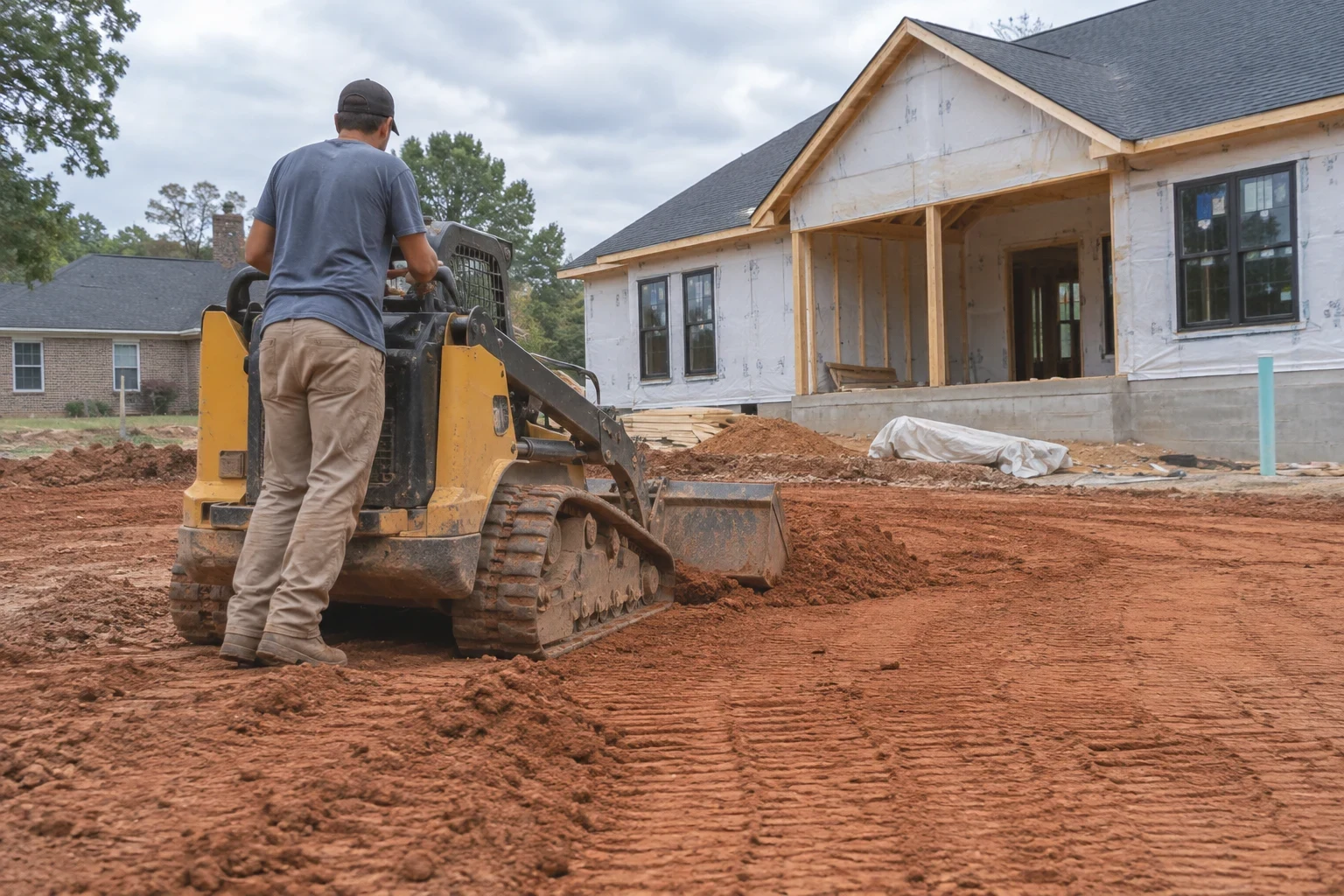
Grading shapes the ground around a house. On a new lot, it creates a flat, compacted building pad at the right height for the foundation. On an existing property, it fixes slopes that send water toward the house instead of away from it.
Upstate red clay makes this matter more than people expect. Clay sheds water fast in a hard summer storm and holds it for days afterward, so a yard tilted the wrong way keeps the soil against your foundation wet. That moisture works its way into crawlspaces and basements, raises indoor humidity and makes your air conditioner and dehumidifier run longer. Good grading is one of the cheapest ways to keep a home dry and comfortable.
If your lot still has trees and brush on it, we start with land clearing. Once the grades are set, the site is ready for foundation work and the rest of the build.
What our grading work includes
- Building pad preparation
- High spots get cut down and low spots get built up until the pad reaches its planned elevation. We spread fill soil in thin lifts and compact each layer before adding the next, so the ground under your foundation stays put.
- Slope away from the house
- The finished grade drops away from the foundation, roughly six inches across the first ten feet, in line with what residential code generally calls for. We also keep the soil line below the siding so trim and wood never sit in dirt.
- Swales and drainage paths
- Shallow, grassed channels steer runoff around the house toward the street or a safe low point on your property. We lay them out so water from your roof and the yard next door has a clear route.
- Driveway and walkway base
- The subgrade under drives and paths is shaped and compacted so the surface drains and does not sink or crack before its time.
- Topsoil and final grade
- When the topsoil is worth keeping, we strip and stockpile it before rough grading, then spread it back at the end. You get smooth ground ready for seed or sod.
- Keeping soil on the site
- Before any digging, we put up silt fence and similar barriers so loose dirt stays on your property instead of washing into the street. If the site is large enough to need a land disturbance permit, we look up what applies and handle that part.
Signs your lot needs grading
Puddles near the foundation
Water that sits against the house a day after rain is soaking into the soil right where you least want it.
A damp or musty crawlspace
Wet soil outside often means a damp crawlspace inside. That moisture raises humidity throughout the house and can lead to mold and soft subfloors.
Soil washing across the driveway
Red mud on the concrete or small gullies cut into the yard after a storm show that runoff is moving fast and in the wrong direction.
Dirt piled up against the siding
Over the years, mulch and soil build up until they touch siding and trim. That traps moisture against wood and invites insects.
Ground that slopes toward the house
Sometimes the yard settled after construction, or it was never graded right. Either way, the fix is to reshape it.
An uneven lot you plan to build on
Before a foundation can go in, the site needs a level, compacted pad and a drainage plan.
How a grading job runs
- 1
Talk it through and walk the site
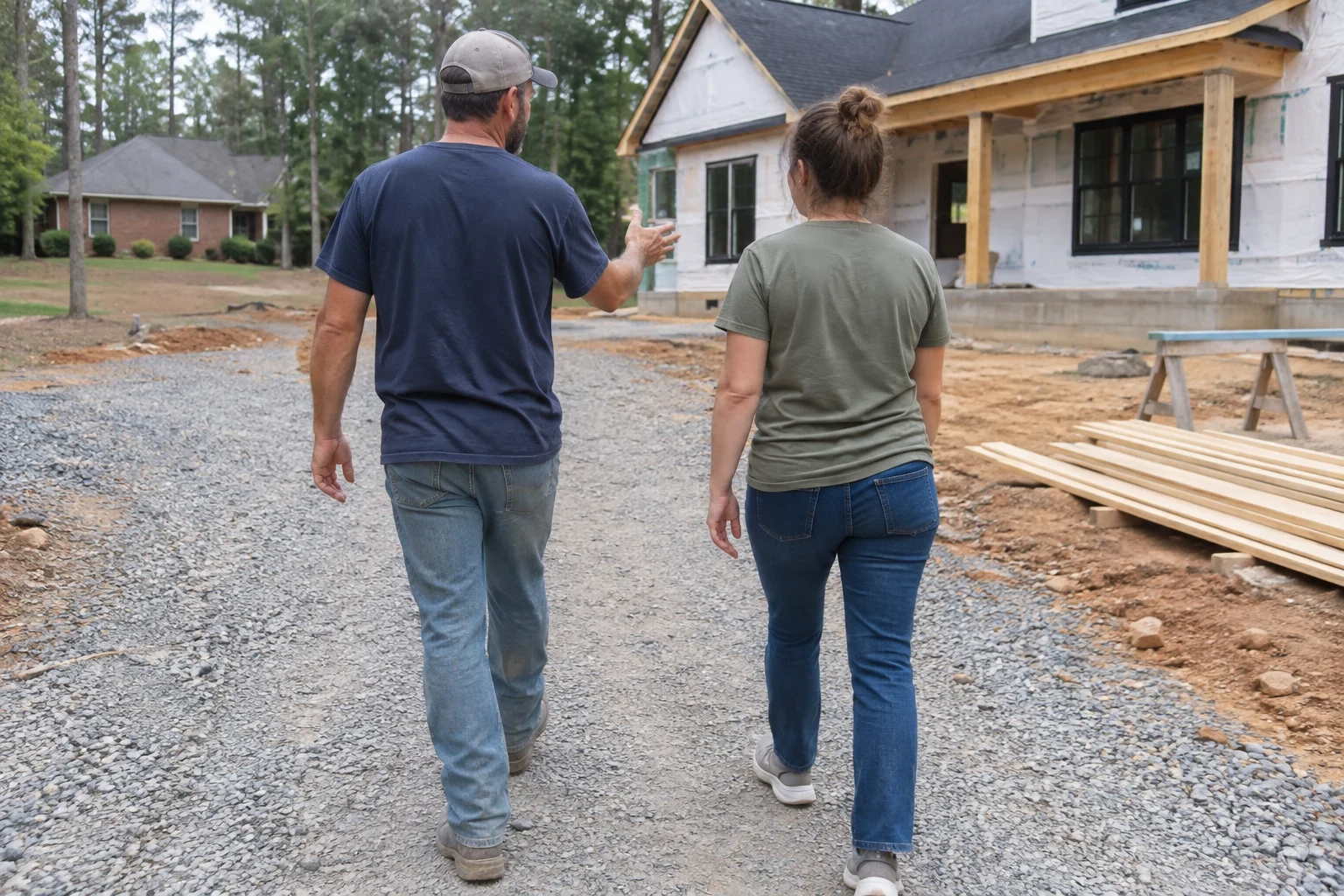
It starts with a phone call about your project. Then we walk the property with you, look at where water comes from and where it ends up, and note slopes, soil and access.
- 2
Plan the grades
We set target elevations and mark them with stakes so you can see the plan on the ground. You get a written estimate that explains the work line by line.
- 3
Protect the site and rough grade
Erosion controls go in first. Then we move soil to the rough shape, saving topsoil where it is worth keeping.
- 4
Compact and fine grade
Fill is compacted in layers and the surface is smoothed to the final slope. We check the grades again before we call it done.
- 5
Walk the finished work with you
We show you how water will move across the lot and clean up the work area, including mud tracked onto the street or driveway.
What moves the price of a grading job
We price grading only after we have walked your property with you. A lot can look simple on a survey and still hide a steep corner, a wet spot or a buried stump field that changes the whole job. Most of the cost comes down to how much earth has to move and how that earth behaves once we start digging. Your written estimate splits the job into its parts, so you can see where the money goes before any machine shows up.
- How much ground and soil is involved
- Correcting the slope along one wall of a house is a modest job. Cutting a level pad into a sloped lot can mean shifting a large volume of earth.
- Fill trucked in or soil hauled out
- When the cuts and fills on your lot do not balance, the difference has to be brought to the site or carried away. Either one adds trucking and material to the job.
- Room to work and steep ground
- Narrow side yards, fences and steep slopes may call for smaller machines and more hours.
- What is under the surface
- Rock, old buried debris or soft, waterlogged clay can slow progress or need extra work before the soil will compact properly.
- Permits and erosion measures
- A bigger disturbed area may require a permit and more silt fence, which means added paperwork and materials.
Grading questions we hear often
Something not covered here? (864) 713-1848
My yard looks pretty flat. Do I still need grading?
Possibly. Ground that looks flat often has a slight tilt toward the house, and that is enough to keep the foundation wet. We can check the actual slope when we visit and tell you honestly if it needs work.
Can you grade around a house that is already built?
Yes. We regrade existing yards all the time, working carefully near the foundation, utilities and landscaping. We often pull soil back from the siding at the same time.
Will better grading lower my energy bills?
It can help indirectly. A drier foundation means a drier crawlspace or basement, and less moisture in the house means your air conditioner and dehumidifier do not work as hard in summer. It also protects floor framing from damp.
How long does grading take?
A small regrading job can take a day or two. Preparing a new building lot usually takes longer, depending on size and how much soil moves. Clay that is soaked from rain cannot be compacted properly, so we sometimes wait a few dry days.
Will my lawn be torn up?
The graded area will be bare soil when we finish. We spread topsoil back so it is ready for seed or sod, and we keep equipment off the parts of the yard that do not need work.
Get the ground right before anything goes on it
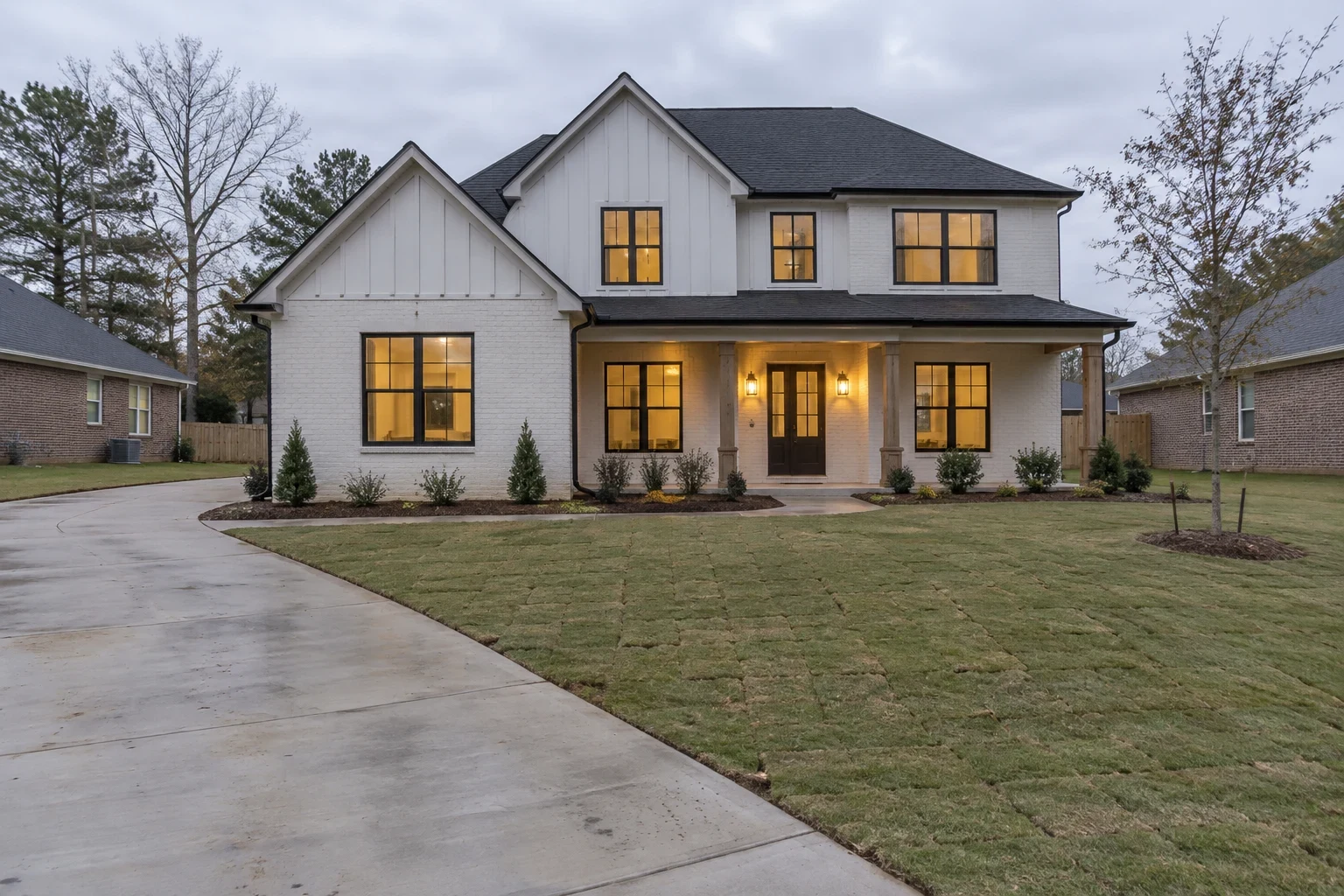
Tell us about your lot or the water problem you are seeing. We will talk through what is going on and plan a visit to look at it in person.