ServicesSiding Installation
Siding Installation in Easley
New siding should do more than look good from the street. We take the old cladding off, repair the sheathing behind it, seal the wall against air and water, and install siding that keeps your rooms steadier through hot summers and damp winters.
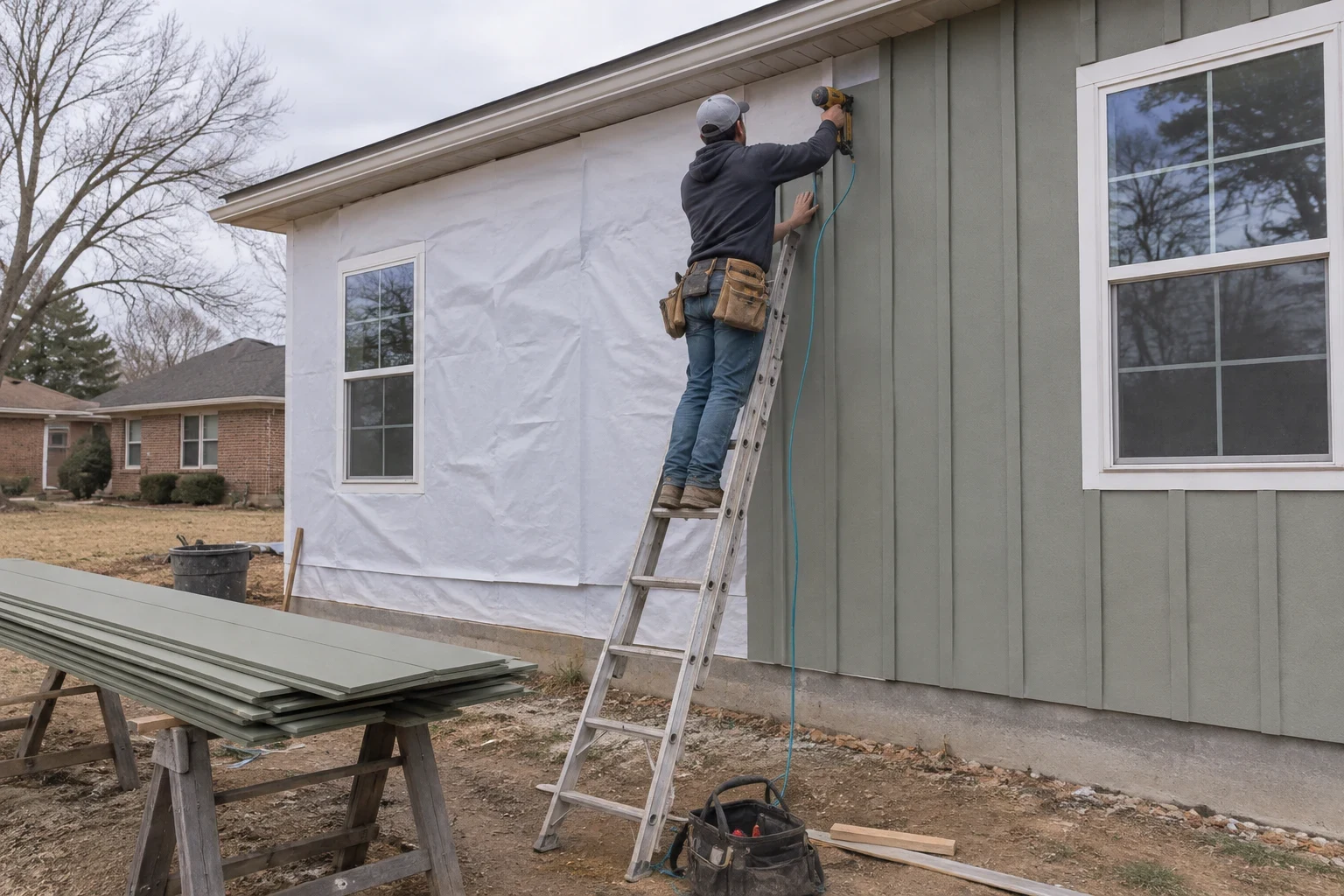
What new siding actually fixes
The panels you see from the driveway are only the face of the wall. Underneath are the sheathing boards, a weather-resistant wrap and flashing around every opening, and those layers do most of the work of keeping rain out and your heated or cooled air in. So when we put on new siding, we fix the wall from the sheathing out, not just the surface.
That approach often pays off in how the house feels. Torn wrap, open seams around windows and bare walls with no insulation let summer heat and winter drafts pass right through. Closing those gaps, and adding foam-backed siding or rigid insulation where it fits the house, can calm down rooms that always run warm or chilly. We can't tell you what your power bill will be, but we can point out exactly where the air was leaking.
Our crews side new builds, older homes and additions where fresh cladding needs to match or blend with what's already there, across Easley and nearby towns such as Powdersville, Pickens and Liberty.
What's included in a siding job
- Careful tear-off
- We remove the old siding, trim and fasteners section by section, so your walls are never open to the weather longer than needed.
- Sheathing inspection and repair
- Once the wall is bare, we check for soft or stained sheathing and replace rotted pieces. We photograph what we find so you see it before the wall gets covered again.
- House wrap and flashing
- A continuous weather barrier goes on with taped seams. Windows and doors get proper flashing tape, and we add kick-out flashing where a roof meets a wall, a common spot for hidden leaks.
- Optional added insulation
- If your walls are thin on insulation, we can talk through insulated vinyl or a layer of rigid foam under fiber cement. It's an option, not a requirement, and we'll tell you honestly whether it suits your home.
- Siding, trim and sealing
- We hang the siding with the right fastener spacing and expansion gaps for the material, then finish corners, soffit edges and window trim, sealing every joint that needs it.
- Daily cleanup
- We tarp beds, run magnets for nails and haul away the old material, so your yard is usable at the end of each day.
Signs your siding needs replacing
Rooms that never feel right
When one side of the house runs hot every summer or drafty every winter, air is likely slipping through the wall. Aging siding over failed wrap is one of the usual culprits.
Warped, cracked or loose panels
Vinyl that bows in strong sun or cracks during a cold spell is usually worn out. Any loose piece gives wind-driven rain a path behind the wall.
Soft wood and peeling paint
Push gently on wood siding and trim low to the ground and around window frames. Spongy wood, blistering paint or swollen edges mean water is getting in.
Growth that returns fast
Our humid summers put a film of mildew on shady walls for plenty of houses. If it's back a few weeks after a good wash, the siding itself may be staying damp.
Water marks indoors
Stains below a window or a musty smell in a closet along an outside wall often trace back to a leak that began in the siding.
From first visit to final check
- 1
Consultation at your house
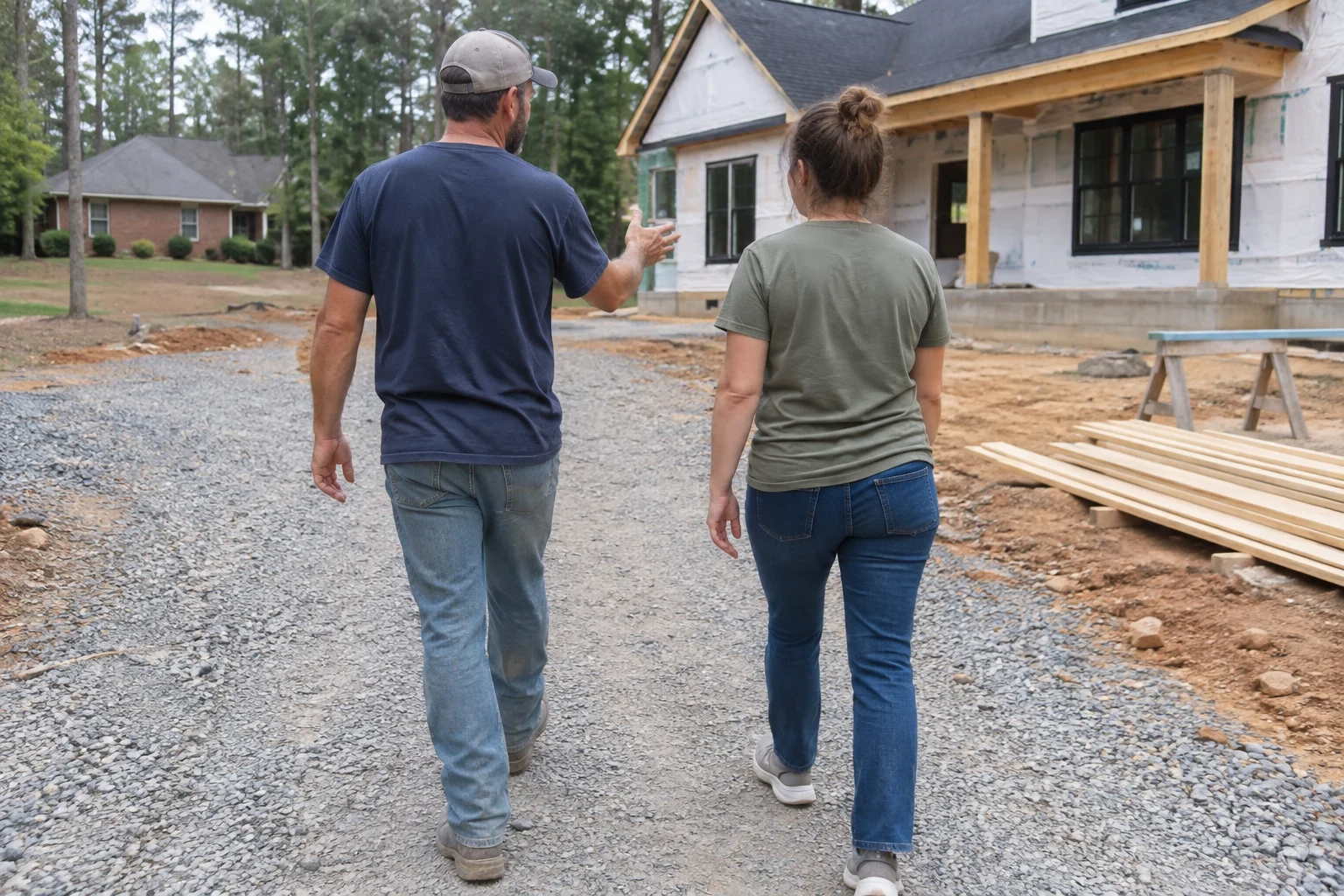
We circle the house together, look closely at the trouble spots and go over materials, colors and whether extra insulation is worth it for you. Afterward you receive a written estimate with each line spelled out.
- 2
Permits and materials
If your project needs a permit, we pull it. Siding, trim and wrap are ordered ahead so the full load is on site before any old material comes down.
- 3
Wall by wall
The crew finishes one wall completely, stripping, repairing, wrapping and siding it, before starting the next. Expect ladders and some noise during the day, but your home is closed tight every evening.
- 4
Walk-through together
When the last panel is up, we go around the house with you, look over trim and caulk joints and take care of any touch-ups before the job is finished.
What moves the price of a siding job
No two houses get the same number, because no two sets of walls are the same. Price mostly comes down to how much wall there is, the material you pick and what turns up once the old cladding is off. Your written estimate lists each part separately, so nothing new appears at the end.
- Square footage and height
- A larger wall surface takes more panels and more hours. Two-story walls and tall gables also need more staging and slower, safer work.
- The siding you choose
- Standard vinyl, insulated vinyl and fiber cement each carry a different material cost, weight and install time. Fiber cement either comes prefinished or needs paint after it goes up.
- Hidden damage in the wall
- If the sheathing or studs behind the old siding have rotted, that wood gets replaced before any new panels go on. We include likely repairs in the estimate and send you photos of anything beyond that before we touch it.
- Openings and trim work
- Every window, bump-out, dormer and decorative detail means more cuts and more flashing, which adds labor.
- Added insulation
- Foam-backed panels or a rigid foam layer cost more in materials, but they can make hot or drafty rooms noticeably easier to live in.
Siding questions we hear often
Something not covered here? (864) 713-1848
Will new siding lower my energy bills?
It can help, especially if your current walls leak air or have little insulation. Most of the gain comes from sealing the wall with wrap and flashing and, if you choose it, adding an insulating layer. Siding alone is not a substitute for attic insulation or a healthy HVAC system, and we'll say so if those matter more for your home.
Can you install new siding over the old siding?
Sometimes it's possible, but we usually recommend tearing off. Covering old siding hides rot and moisture we can't see, and it leaves you with an uneven surface and old gaps behind the new panels. Tear-off lets us fix the wall properly.
Which siding material should I pick?
Vinyl is lighter on the budget and low maintenance. Insulated vinyl adds a foam backing that stiffens the panel and slows heat transfer. Fiber cement handles impacts and heat well and holds paint, though it costs more to install. We'll walk you through the tradeoffs during your consultation.
How long does a siding job take?
Most single-family homes take about one to two weeks of work on site, depending on size, material and how much repair the walls need. Rain days can push the schedule, since we don't leave walls open in wet weather.
Do I need to be home while you work?
No. We need access to outdoor outlets and a clear path around the house. Move anything fragile off interior walls on the sides we're working, since hammering can shake pictures and shelves.
Ready for walls that keep the weather out?
Tell us about your house and what's bothering you about the siding. We'll set a time to look at it together and talk through materials and next steps.